Category: quickPost/Pix
-

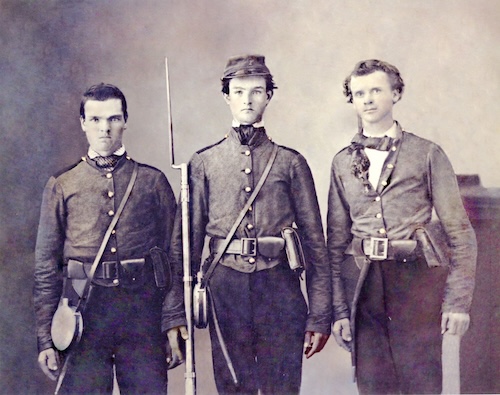
McClure brothers, 24th Georgia Infantry
Here are the three Irish-born McClure brothers of White County, Georgia who served together in Company K of the 24th Georgia Infantry during the war: James Samuel (1828-1907), at left, may have been with his company in Maryland in September 1862, but departed, sick with typhoid, in October, and spent much of the rest of…
-

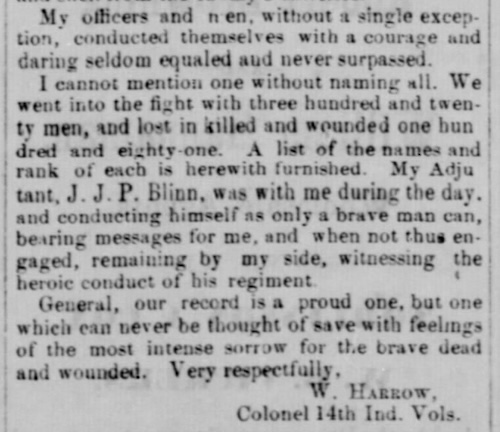
Antietam casualty lists: 14th and 27th Indiana Infantry
From the Indianapolis Daily State Sentinel of 27 September 1862, a copy of Colonel William Harrow’s Antietam after-action report and lists of casualties in the battle for his 14th and the 27th Indiana Infantry regiments. touch for the full text and lists Notes See the Antietam on the Web pages for the 14th Indiana and…
-

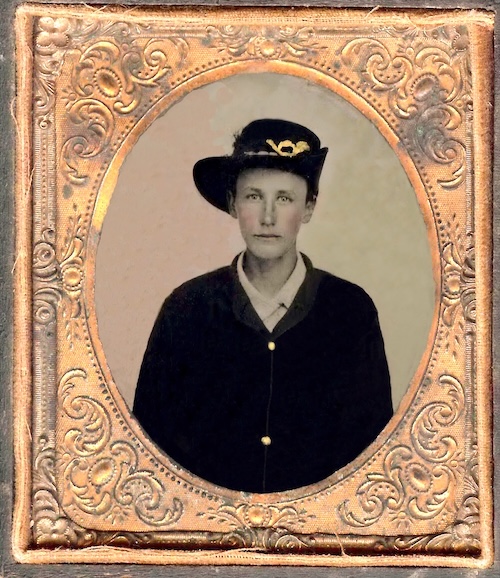
William Tillotson, 14th Indiana Infantry
On this day before the 163rd anniversary of the Battle of Antietam, here’s a look at the face of one of the soldiers who was there. He’s William Tillotson, who was a 19 year old farm boy when he had this photograph taken, probably soon after he enlisted as a Private in the 14th Indiana…
-

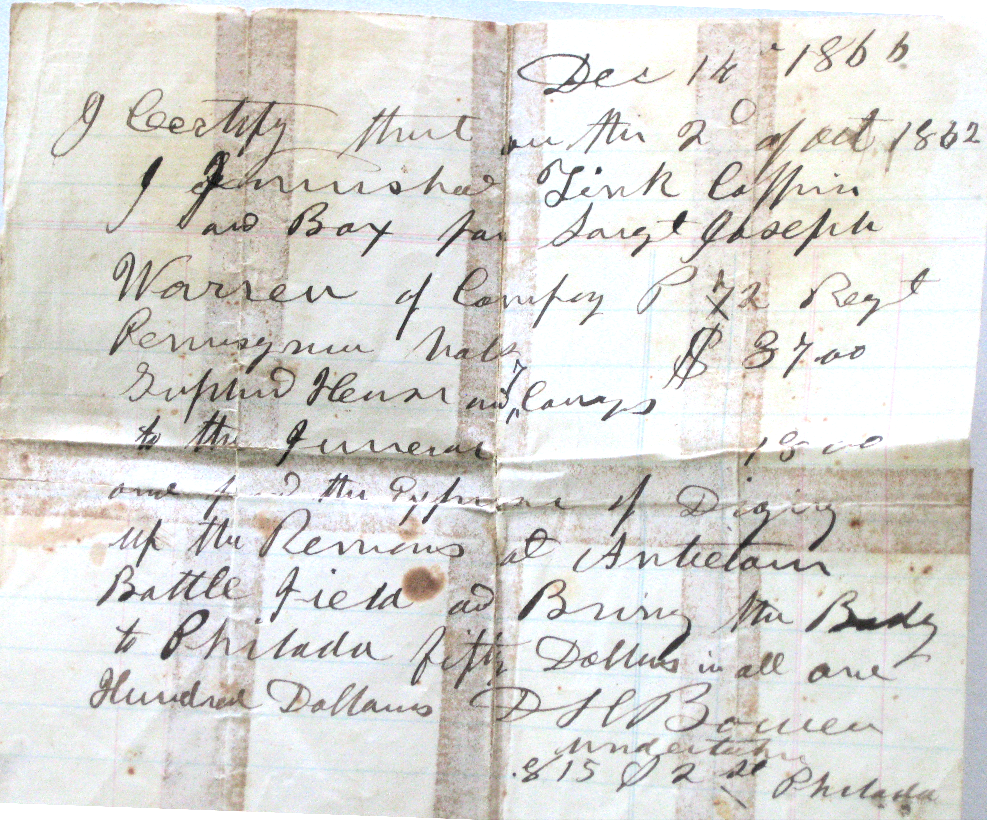
Sgt Warren returned to Philadelphia
Sergeant Joseph Warren of Company P, 72nd Pennsylvania Infantry was killed at Antietam on 17 September 1862, probably in the furious combat in the West Woods there that morning. He was originally buried by his mates on the field, but his remains were returned home to his family in October. (touch to enlarge) This extraordinary…
-

Participant #23,000: Clay Esshom
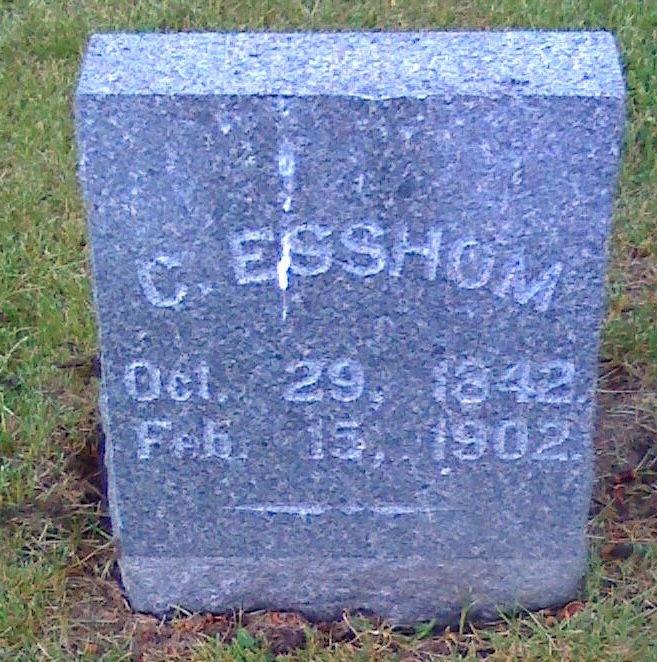
We’ve just passed another milestone in the collection of Campaign participants at Antietam on the Web – now over 23,000 individuals in the database. Number 23,000 is Private Clay Esshom of Company A, 14th Indiana Infantry, who survived a fearful gunshot through his body in combat at Antietam on 17 September 1862 – then a…
-

First Sergeant W.H. Andrews at Sharpsburg
Our rations were out Sunday. Monday and Tuesday we had nothing but water … Just about sunset, a cow came feeding in front of our lines. Gen. [G.T.] Anderson ordered her killed and divided among the brigade. Soon had my little piece broiled over the coals, and ate it with the blood running out, without…